
Our History

60 years of…
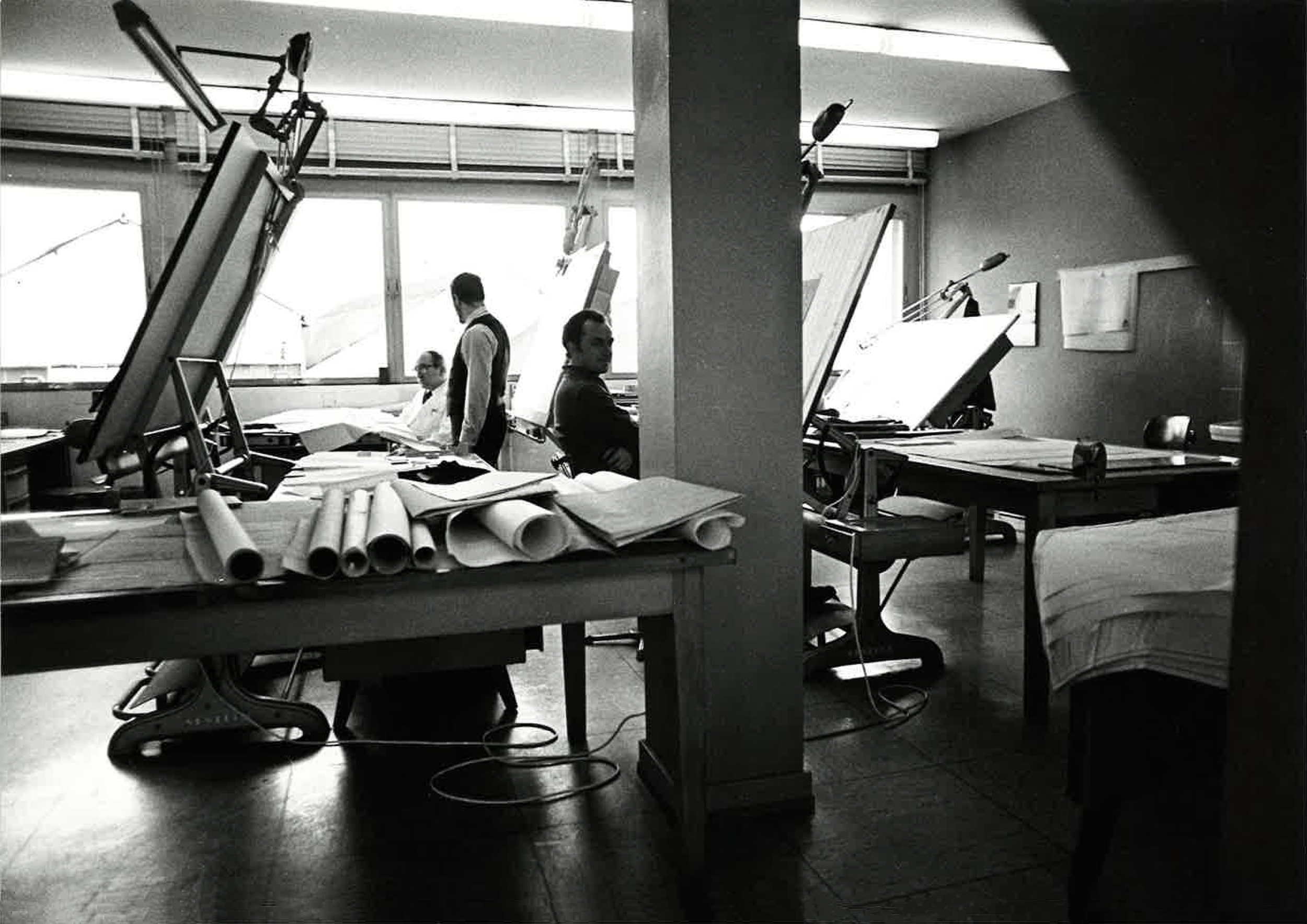
Innovation and experience is something that goes hand to hand and being in the market for over 60 years, has given us both. The capacity to innovate and being constantly evolving to keep up with the needs of the market and industry as well as the experience to know how to approach each project and every challenge.
Our History

Founded in 1965, the Luxembourg company began as a pioneer in nuclear maintenance equipment at a time when Europe was commissioning its first commercial reactors. Over the decades, GRADEL became a reference for underwater filtration systems and custom machinery for power plants in operation and decommissioning. Its expertise earned the trust of customers across Europe and built a reputation for highly specialised solutions in demanding environments.
Melting
precision
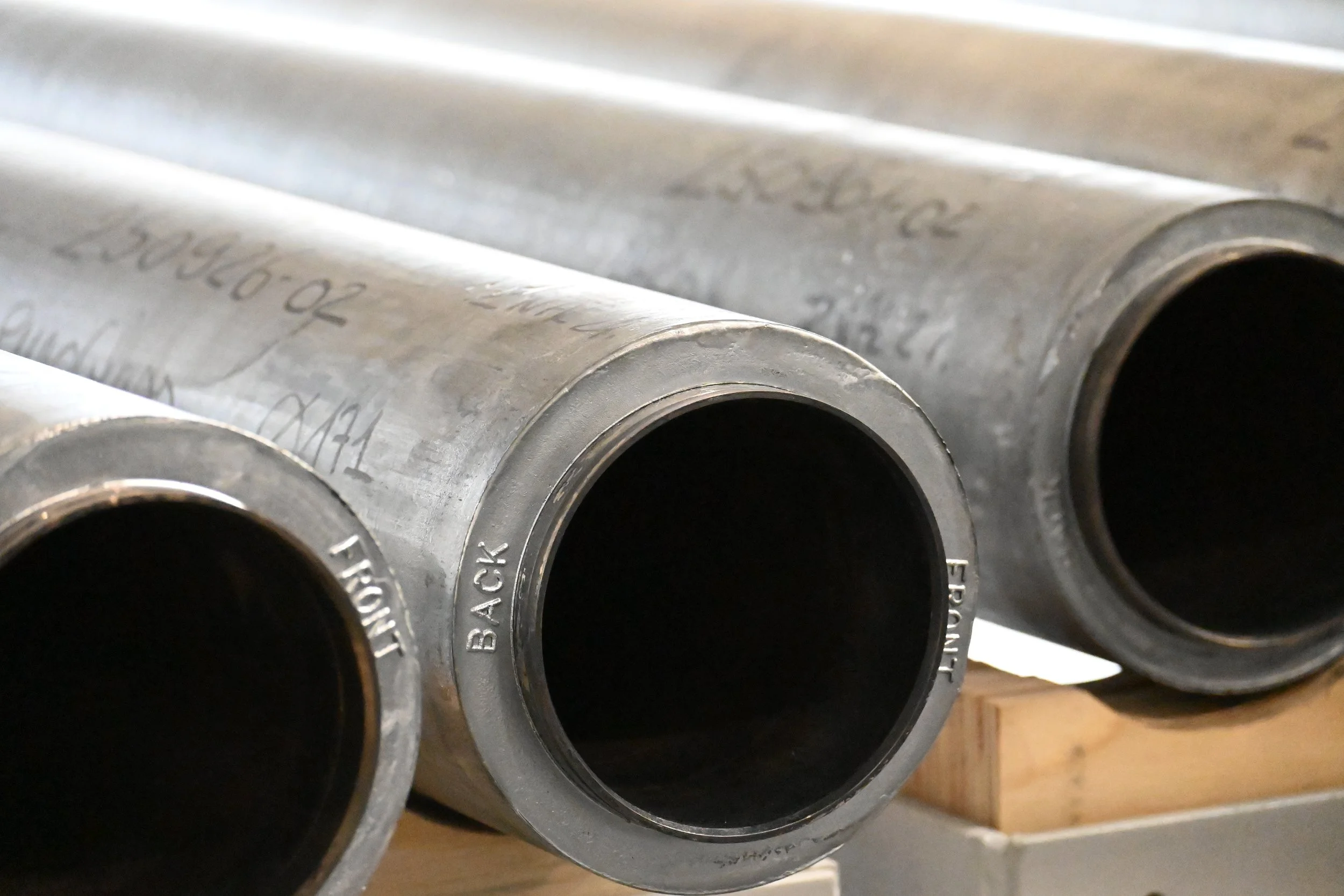
In 1981, GRADEL supplied welded and machined parts for glass manufacturer Guardian, when established its first European factory in Luxembourg. Later GRADEL developed a continuous casting process for sputtering targets. Today, hundreds of these targets are produced each year for glassmakers across Europe, the Middle East and North Africa, under the subsidiary Gradel ST. The manufacturing concept was circularity-driven long before the term became fashionable: 99.5% of alloys are recycled, damaged components are refurbished, and rainwater replaces powered cooling systems.
From Ground
to Space
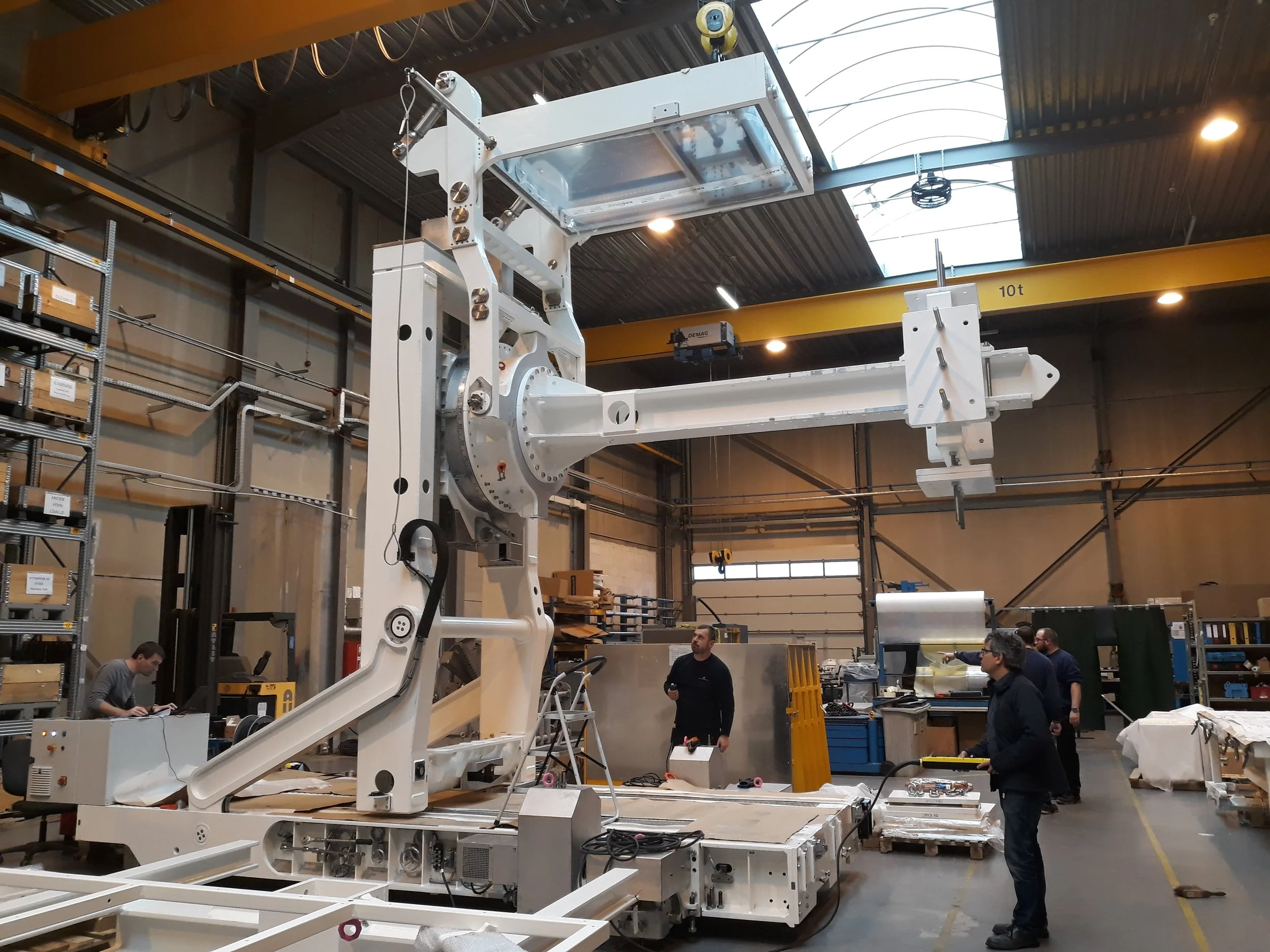
The company also turned toward space. Since Luxembourg joined the European Space Agency in 2005, GRADEL has supplied ground support equipment for leading satellite manufacturers. Multi-purpose handling systems, integration tools and transport containers have since become part of its engineering portfolio, giving the company an entrance into one of the world’s most innovative industries.
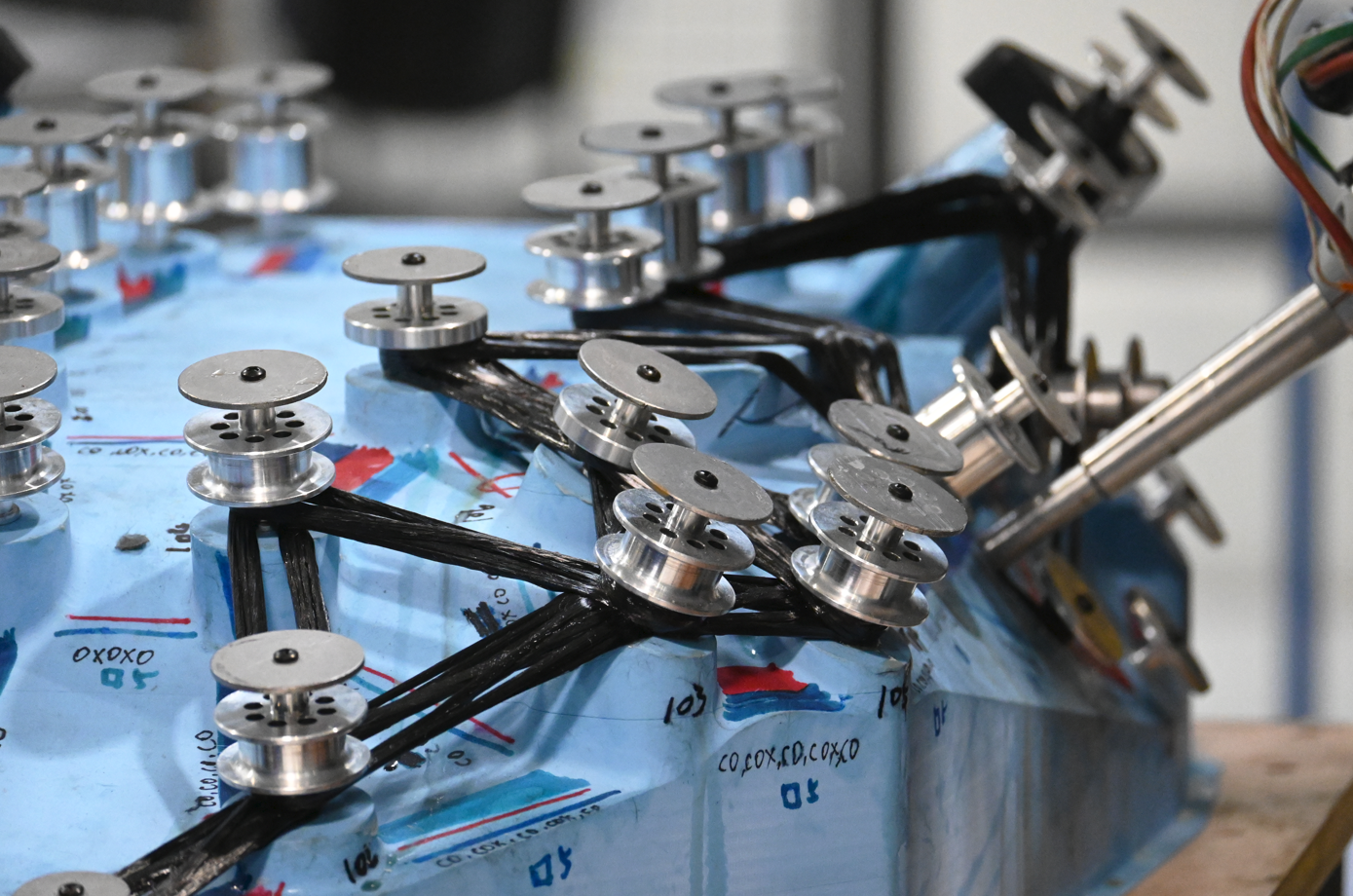
Yet today, the most ambitious transformation is underway. In 2019, GRADEL began developing a patented endless-filament winding technology: GRAM – Gradel Robotic Additive Manufacturing. Born inside a joint R&D programme with the Luxembourg Space Agency and supervised by ESA and in collaboration with the Luxembourg Institute of Science and Technology (LIST), GRAM enables the creation of ultra-light, 3D-shaped structures with minimal material waste. Weight reductions reach up to 70%, material consumption can drop by 80%, and the process can combine almost any fibre and resin. In a geopolitical and industrial context marked by supply-chain vulnerability, GRAM presents a convincing alternative to rare raw materials such as titanium.
GRAM is more than a production method: it is a new business model. GRADEL aims to supply full production cells, software and engineering to industrial customers, shifting from one-off projects to scalable, recurring products, assembled, integrated and tested in-house. The timeline is ambitious. Commercialisation of GRAM equipment is planned with Tier-1 to Tier-4 aerospace and defence suppliers, universities and research centres. The first dedicated manufacturing site opened in Bascharage in 2023, located strategically next to LIST to reinforce a joint laboratory and collaborative research.
Commercialisation of GRAM equipment is planned with Tier-1 to Tier-4 aerospace and defence suppliers, universities and research centres. The first dedicated manufacturing site opened in Bascharage in 2023, located strategically next to LIST to reinforce a joint laboratory and collaborative research.
Composite
Innovation
Strategic Partnerships


To accelerate industrial deployment, GRADEL has formed a strategic partnership with RAFINEX expert in FEM & Data Design Engineering (DDE), pioneer in artificial intelligence. Together they are developing the GRAM—AI software, expected to cut engineering and robot programming costs by a factor of five to ten.
The collaboration with DDE has already yielded a second breakthrough with strong commercial potential: an ultra-light autonomous drone able to navigate without GPS, GNSS or remote control, using only an onboard optical sensor. GRADEL plans to produce the composite structures of these drones using GRAM technology from 2026, targeting defence applications where longer range, lower energy consumption and reduced detectability offer a decisive operational advantage.