
RELIABLE MACHINES
FOR GROUND AND SPACE MISSIONS
Innovation in technology,
to shape the world
At GRADEL, We are driven by innovation, technology, and development, infusing each of our machines with the precision and vision needed to support space missions. By enabling exploration beyond Earth, our work advances science, inspires progress, and contributes to a better future for humanity.
Our expertise has earned us the trust of customers across Europe and built a reputation for highly specialized solutions in demanding environments.
We drive space innovation
MECHANICAL
GROUND SUPPORT
EQUIPMENT
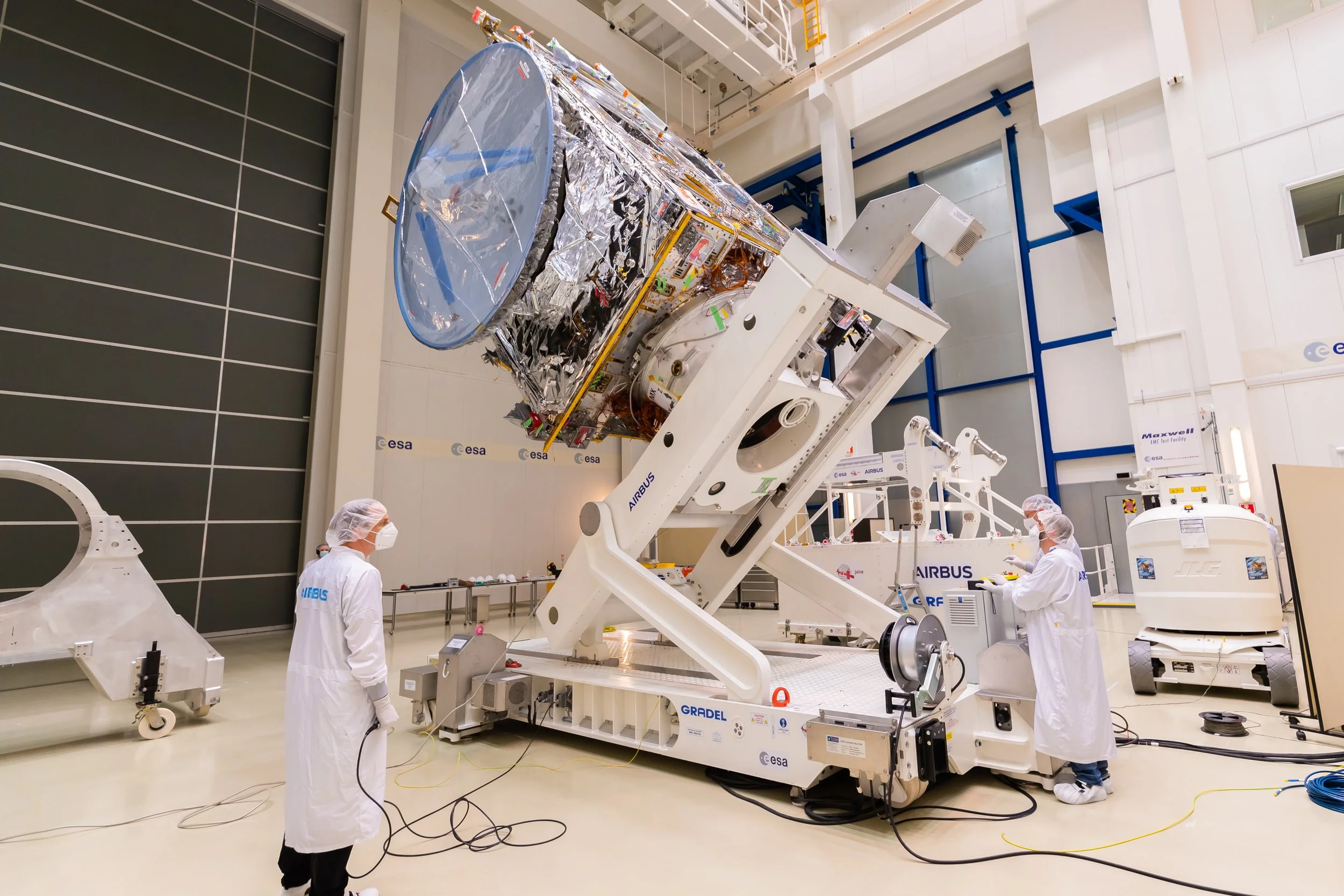

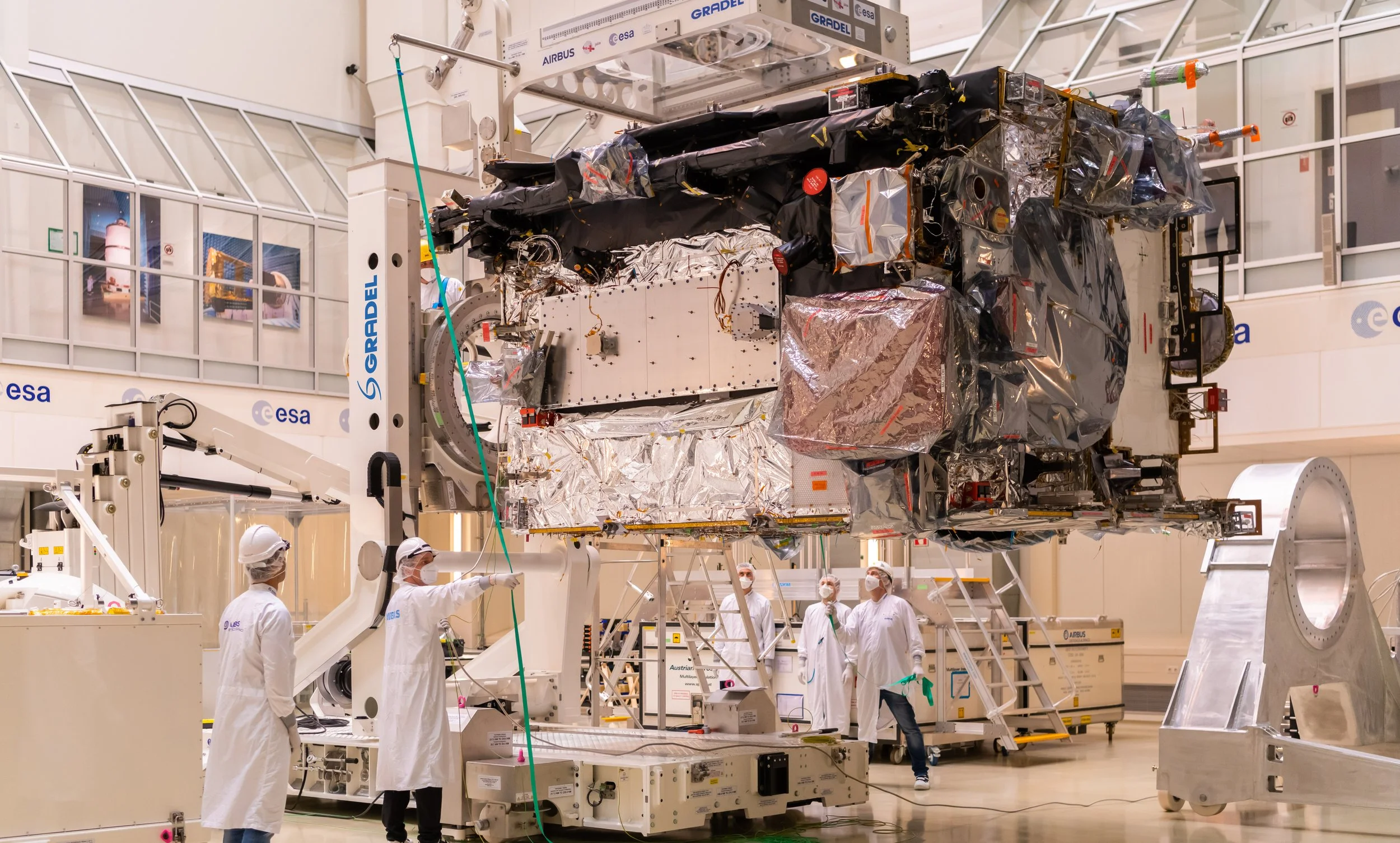
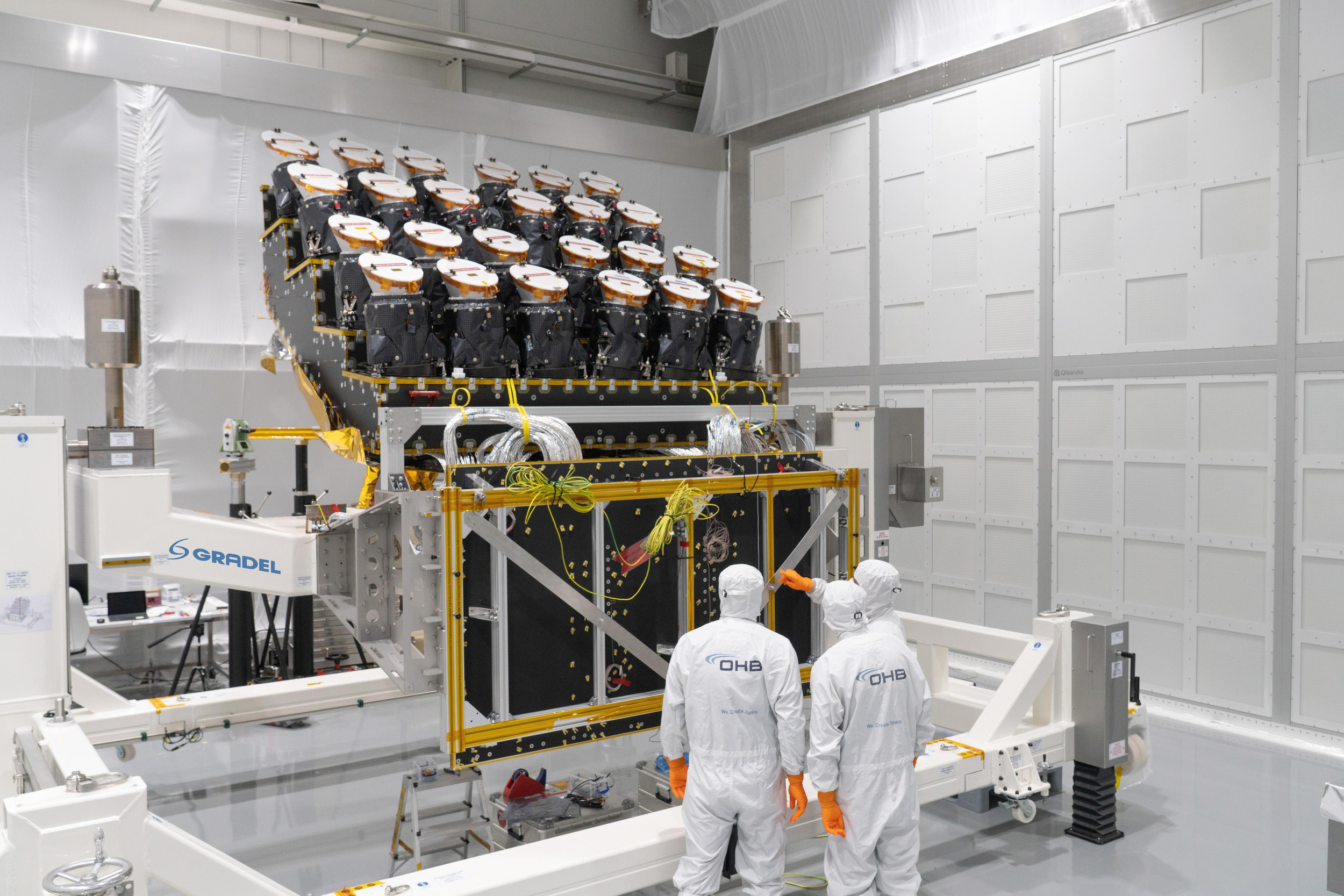
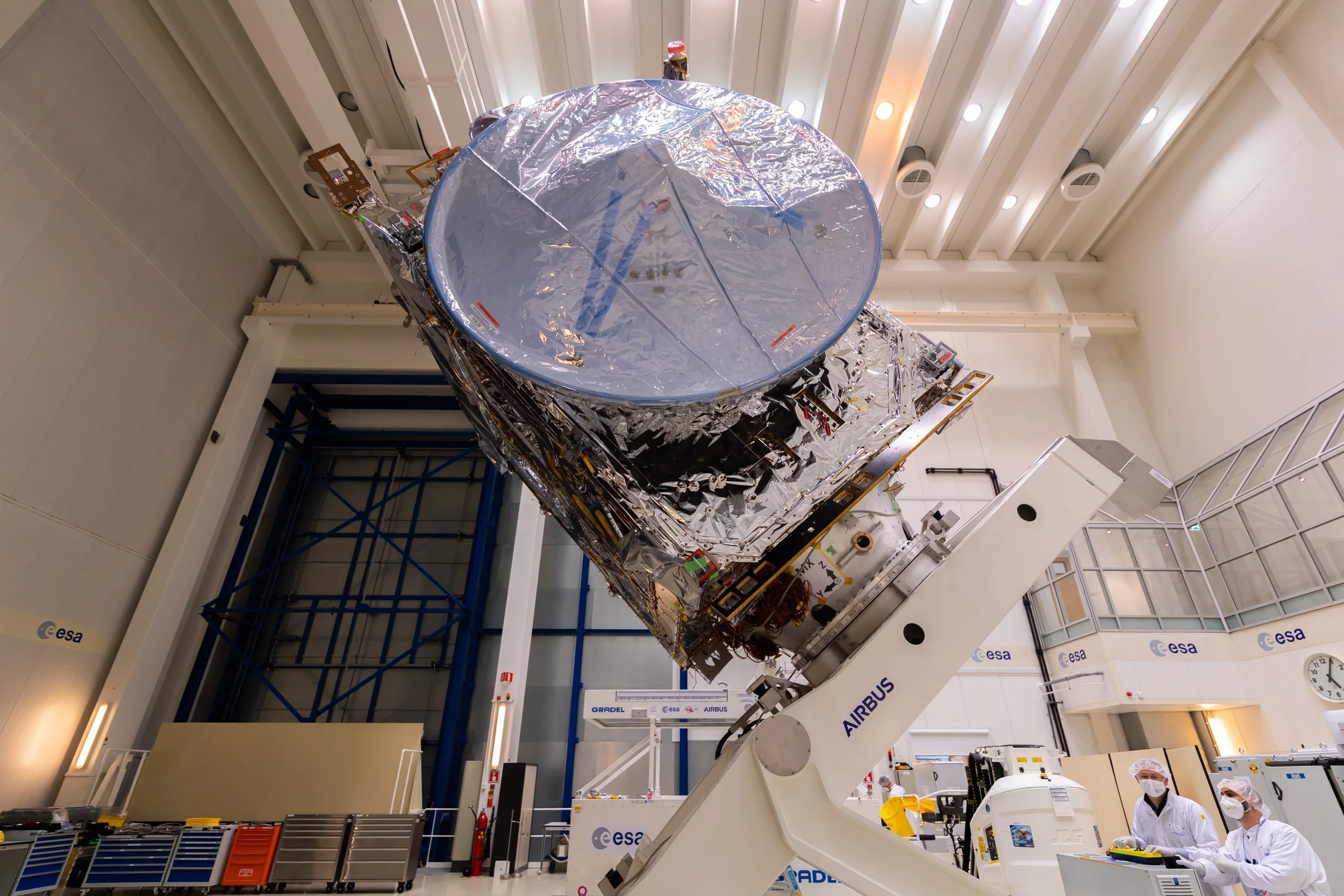
Our Mechanical Ground Support Equipment (MGSE) are essential for safely moving and handling of spacecraft before launch.
Large spacecraft with delicate scientific instruments and wide solar arrays that could not be transported or rotated using standard industrial equipment.
We provided a specially designed transport trolleys, and rotation systems that evenly distributed weight, minimized vibrations, and maintained precise alignment during testing and integration. This ensured the spacecraft remained structurally safe, contamination-free, and accurately positioned throughout assembly and preparation for its journey.

We drive space innovation
LIFTING
DEVICE
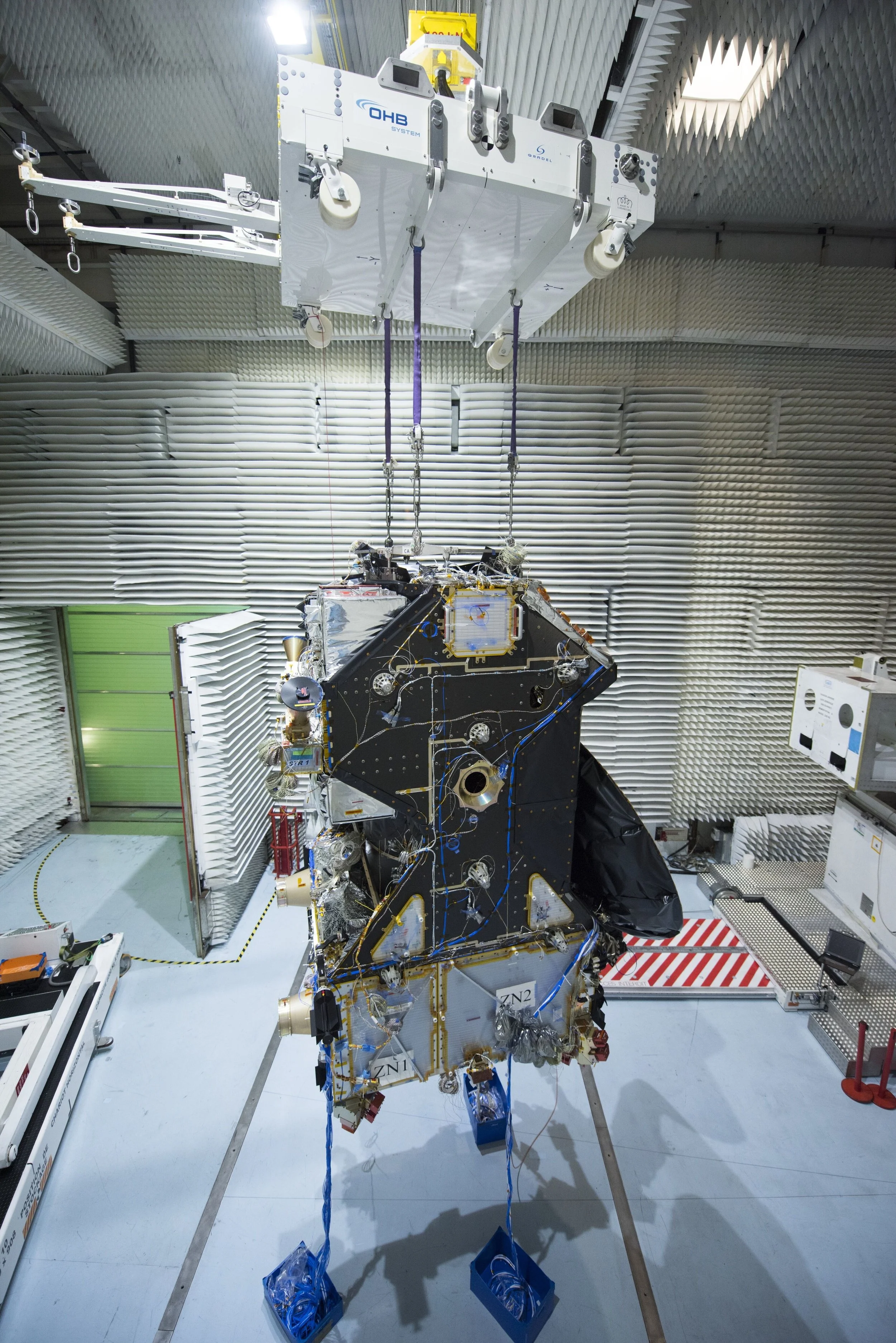
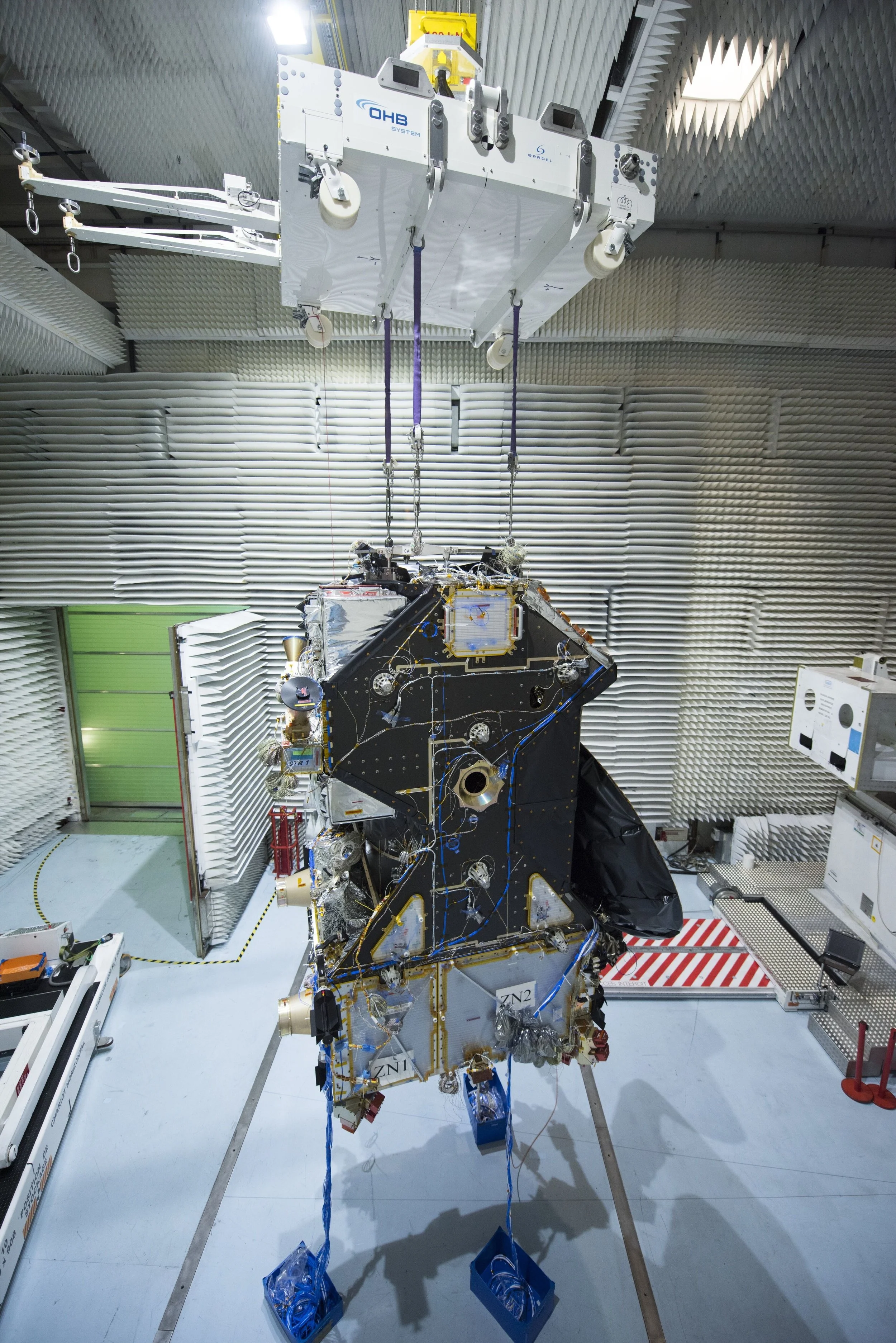
Lifting devices are a vital category of Mechanical Ground Support Equipment for space missions, enabling the safe and precise handling of spacecraft, launch vehicle components, and sensitive flight hardware throughout assembly, integration, and testing operations. Designed to meet exacting aerospace standards, these systems minimize risk, protect critical assets, and ensure repeatable, controlled movements in high-value environments. our lifting solutions combine robust engineering, advanced safety features, and innovative design to deliver exceptional reliability and performance, empowering our customers with the highest levels of quality, confidence, and operational efficiency for every mission.
We drive space innovation
COMPACT ANTENNA
TEST RANGE
SYSTEM
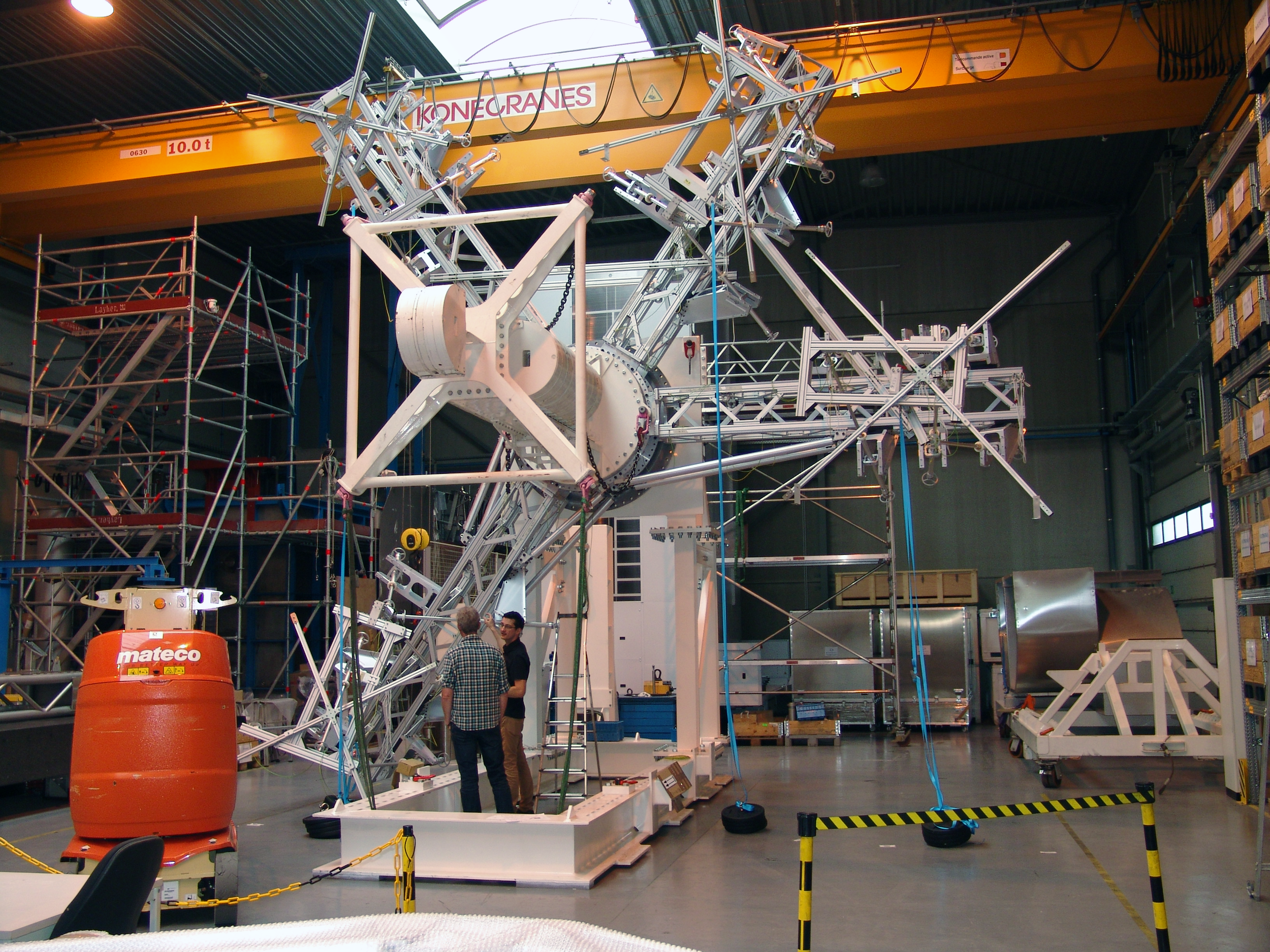
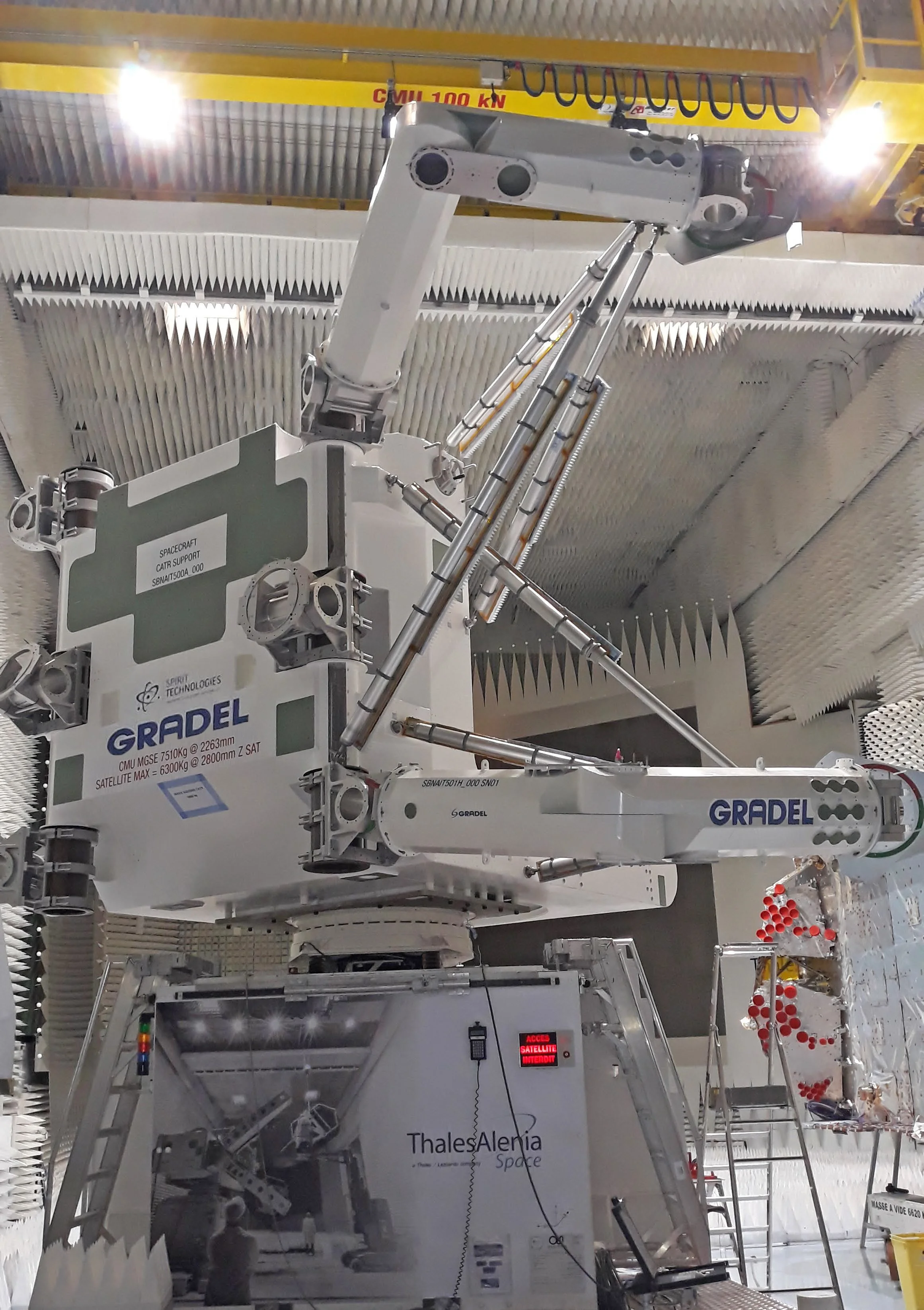
Antenna supports used in anechoic chambers and compact antenna test ranges must also minimize reflections and electromagnetic interference. This often requires non-conductive or low-reflectivity materials and carefully engineered geometries to avoid distorting the antenna’s radiation characteristics. Additionally, supports must simulate operational conditions by accommodating thermal cycling, vibration testing, and load cases representative of launch and in-orbit environments.
The relevance of tolerance during the testing phase is particularly critical because errors introduced at this stage can propagate into the final system, potentially causing communication degradation once the antenna is deployed in space. Therefore, precision in fabrication, alignment fixtures, and calibration procedures ensures that ground-test results accurately reflect in-orbit performance, reducing mission risk and costly redesigns.
Aerospace Innovation &
Advanced Technology Solutions
Explore in depth some of the European Space Mission we have support with our technology and innovative Equipment.
Get in touch with our experts
to explore equipment solutions for mission.
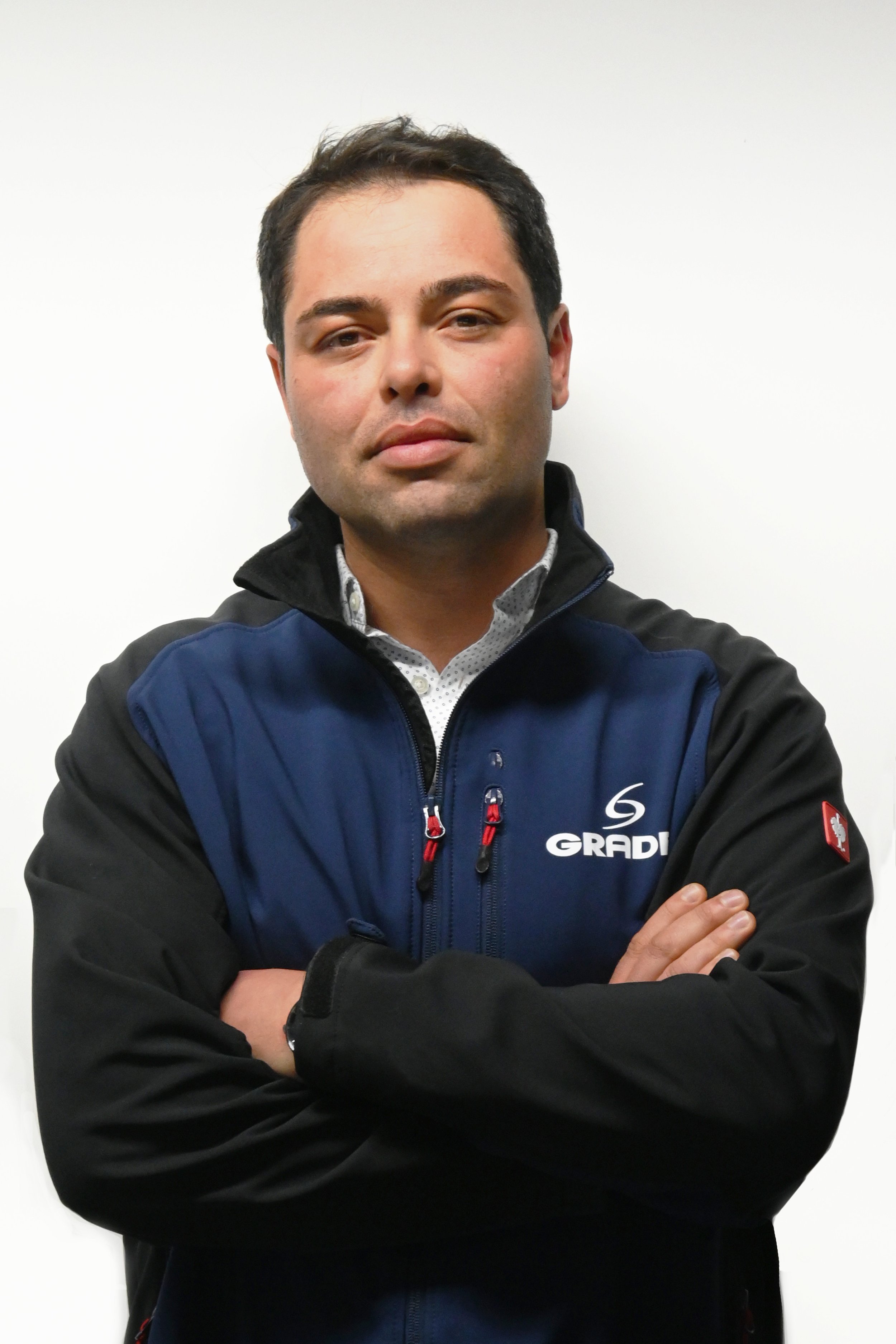

-
Fluent in Portuguese, Spanish French & English
Marco MARQUES
-
Fluent in French & English
Pierre-Emmanuel MEIERS
Business inquiry
Trusted by Leading Clients Across Industries
Those Who Share Our Vision